


 English
  Français
  Tiếng Việt
  Italiano
  Nederlands
  Türkçe
  Svenska
  Polski
  Română
  Latviešu
  한국어
한국어  Русский
  Español
  Deutsch
  Українська
  Português
  العربية
  Indonesian
  Čeština
  Suomi
Suomi  Eesti
Eesti  Български
  Dansk
Dansk  Lietuvių
  Bokmål
  Slovenčina
  Slovenščina
  Ελληνικά
  Magyar
  עברית
עברית 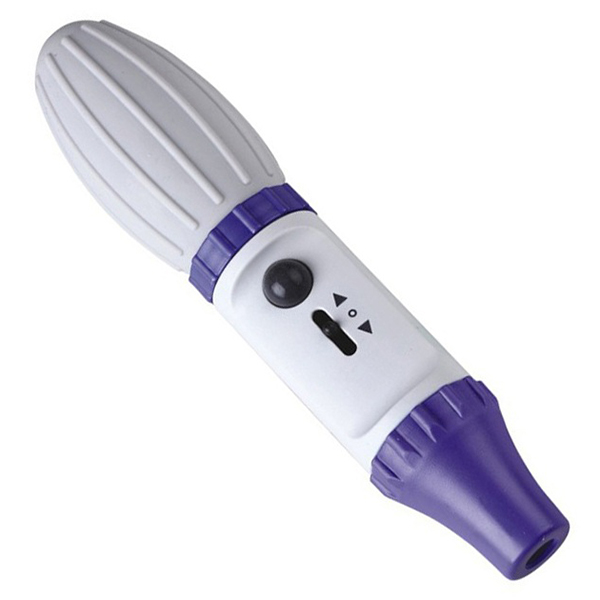
large volume pipette with excellent chemical resistance
Large-volume pipettes are laboratory tools designed for the quantitative transfer of large volumes of liquids, often used with glass or plastic pipettes from 0.1mL to 100mL.
Model: TL01
Description
Large Volume Pipette
Main Features
- Wide range compatibility: Handles pipettes from 0.1 mL to 100 mL—ideal for diverse sample volumes.
- Strong chemical resistance: Body and seals made of corrosion-resistant materials—suitable for acids, bases, and more.
- Ergonomic design: Flexible lever control and finger rest—comfortable for prolonged use.
- Lightweight & sturdy: Built for long-term, continuous operation—reduces fatigue.
- Multi-functional buttons: Separate suction, discharge, and blow-out controls for precise liquid handling.
- Autoclavable: Entire device can be sterilized at 121°C for 20 minutes—ensures aseptic operation.
- Standard filter: Prevents liquid or aerosols from entering the internal air path—enhances user and sample safety.
Advantages
- High efficiency: More reproducible and efficient than traditional suction methods.
- Safer: Aerosol-blocking design avoids contamination—ideal for biological samples.
- Easy maintenance: Simple disassembly and replaceable filters for quick cleaning.
- Cost-effective: Reduces sample waste, extends service life.
- Strong compatibility: Works with multiple brands and pipette specifications.
Working Principle
- Air displacement: Rubber bulb system changes internal air pressure to aspirate, dispense, and blow out liquid.
- Suction: Squeeze the bulb to expel air, release to draw liquid up via atmospheric pressure.
- Discharge: Toggle the lever to open the valve, allowing liquid to flow out by gravity and air pressure difference.
- Blow-out: Press the blow-out button to expel residual liquid for complete transfer.
Application Fields
- Biological experiments: Dispensing culture media, buffers, and reagents in large volumes.
- Chemical analysis: Quantitative titration, solution prep.
- Environmental monitoring: Liquid transfer for water/atmospheric samples.
- Food & drug testing: Sample addition, homogenization.
- Teaching/research: Lab demonstrations, liquid handling for academic purposes.